
Joint problems most likely to cause lameness
A recent survey has found that lameness is three times more likely to be caused by conditions such as osteoarthritis than problems in the foot
Lameness in horses is a term used to describe the horse’s gait being adversely affected by pain or a restriction in the typical range of movement. The pain or restriction can originate in the hoof, in the leg or elsewhere in the horse’s body, such as the back or neck. It can range from a subtle change in gait, to the horse being unable to carry any weight on the affected limb. Lameness has been identified as the most common reason for older horses to be put down.

A recent survey has found that lameness is three times more likely to be caused by conditions such as osteoarthritis than problems in the foot
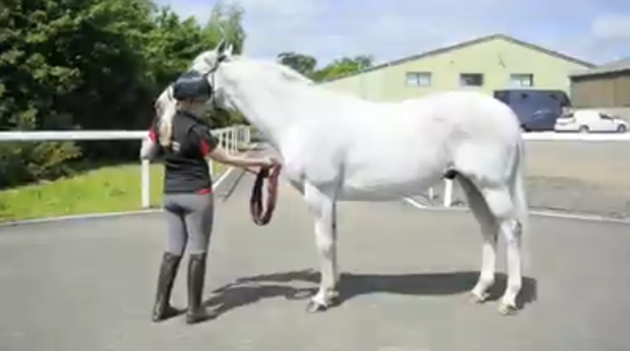
Trotting your horse up for the vet can be an anxious time, so we asked Hartpury College's Fizz Marshall to give her top tips for getting it right
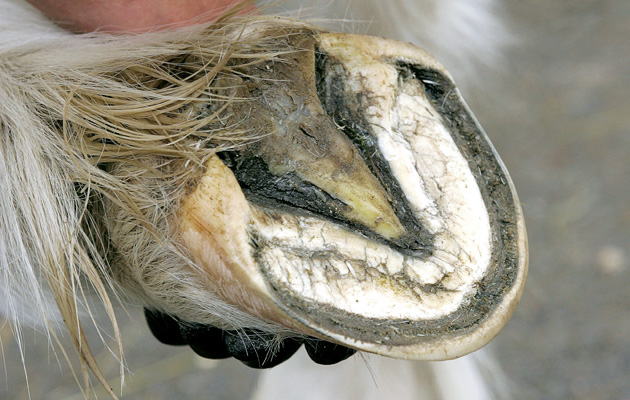
Treatment of soft tissue injury in the hoof is most successful when vet, farrier and technology come together, as vet Dr Peter Milner and farrier Ian Hughes explain
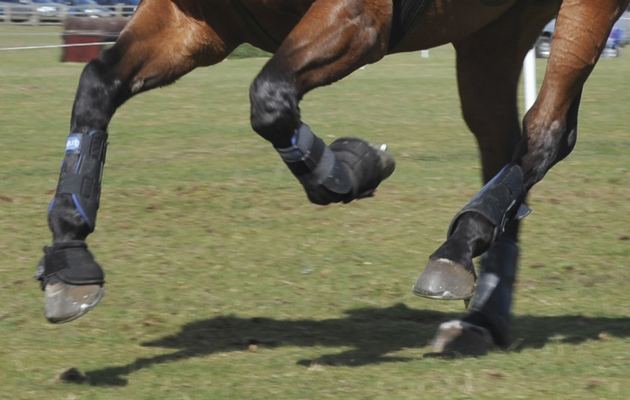
Follow our handy check list to keep all four limbs healthy

Must a diagnosis of osteoarthritis be a debilitating life sentence, ending a horse's athletic career or making for a miserable old age?

Catherine Austen’s hunter is hurried to surgery for a joint flush after a blackthorn injury, and makes a speedy recovery

Fractures of the pedal bone are fairly common and can occur in horses and ponies of all ages, types and breeds. Karen Coumbe MRCVS gets the facts straight

Peter Green MRCVS looks at the latest research into the relationship between limb shape and lameness in horses

Jane Nixon MRCVS explores the physical issues as young horses develop the foundations for future health and soundness

When a dressage horse was treated for a stifle injury it triggered laminitis. We explain how he recovered, and how he is managed now to avoid a recurrence

A new study shows that nearly half of all sport horses that were assessed were found to be lame or stiff

Even a horse that is stabled full-time can get mud fever in certain circumstances as this case study demonstrates
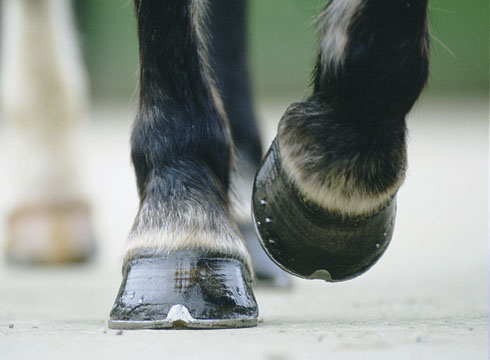
Pioneering research suggests that clues to future lameness can be found in the feet. Dr Sue Dyson explains what to look out for

There are some surprises findings about foot-related lameness in a new study. Peter Green MRCVS looks at the implications

Researchers need owners to take part in a survey to learn more about lameness

Can flexion tests ever be objective rather than subjective? Yes, say researchers involved in a new study that has trialled a sensor-based system to measure a horse’s response

Suspensory ligament injury is surprisingly common in the dressage world. But how can we reduce the risk?

The complex joint disease osteochondrosis develops within a foal’s first year and has the potential to cause lifelong soundness issues

Hallmarq MRI has held another successful conference where diagnosis of equine lameness was discussed

New research would seem to indicate that many horses' lameness is going undetected in the UK and your horse could be among them